8 Tree Services to Consider for a Healthy, Well-Maintained Property
Maintaining the trees on a residential or commercial property involves more than watering them and keeping the surrounding lawn clean. Trees require regular attention to manage growth, identify potential hazards, and protect nearby structures from damage. Professional tree services can help property owners address these needs while maintaining an attractive outdoor environment. From removing damaged branches to grinding old stumps, different types of tree care address specific concerns throughout the year. Understanding these options makes it easier to determine which services may benefit a property. With the right maintenance approach, property owners can support tree health, improve outdoor safety, and keep their landscapes looking organized.
1. Tree Trimming for Controlled Growth
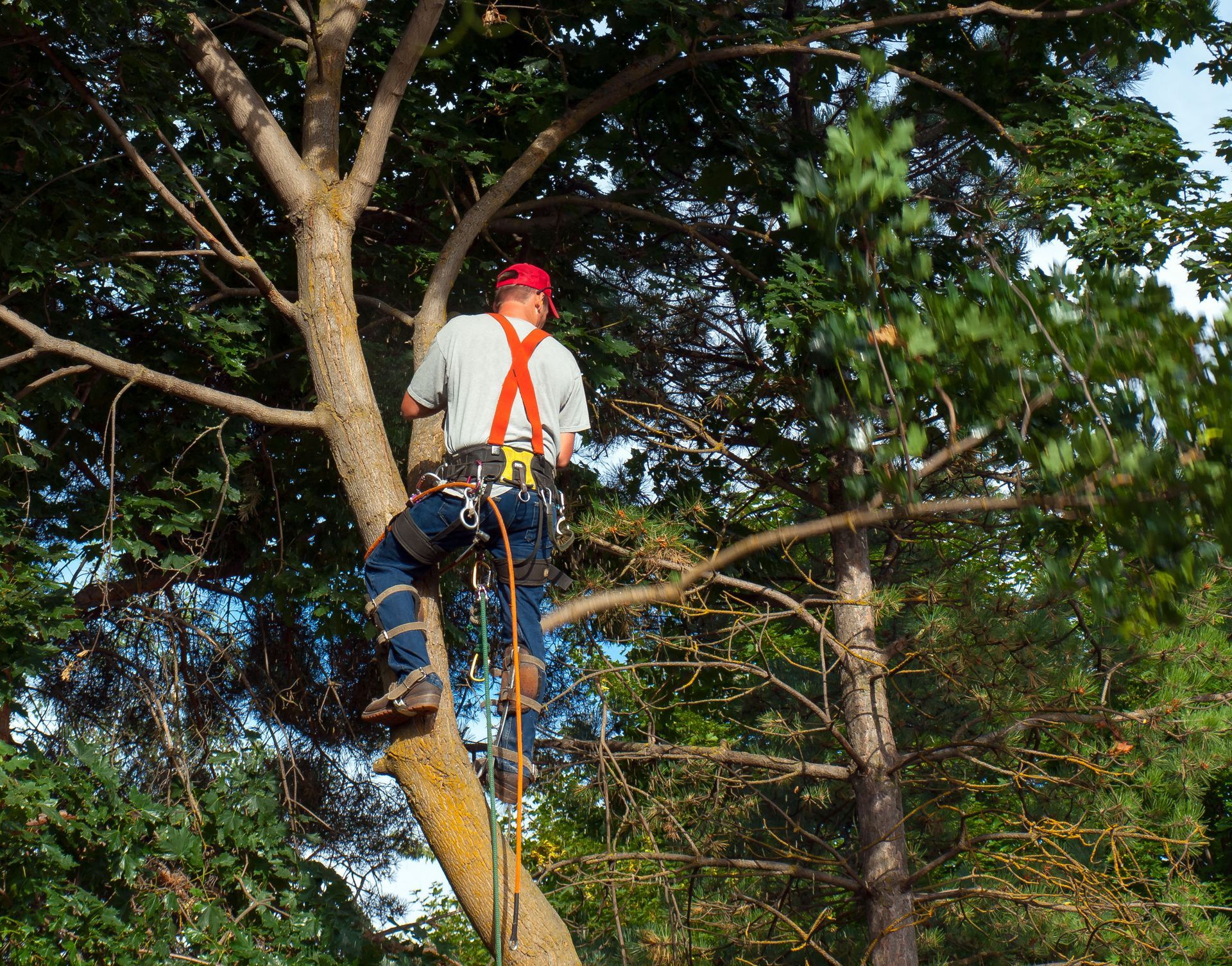
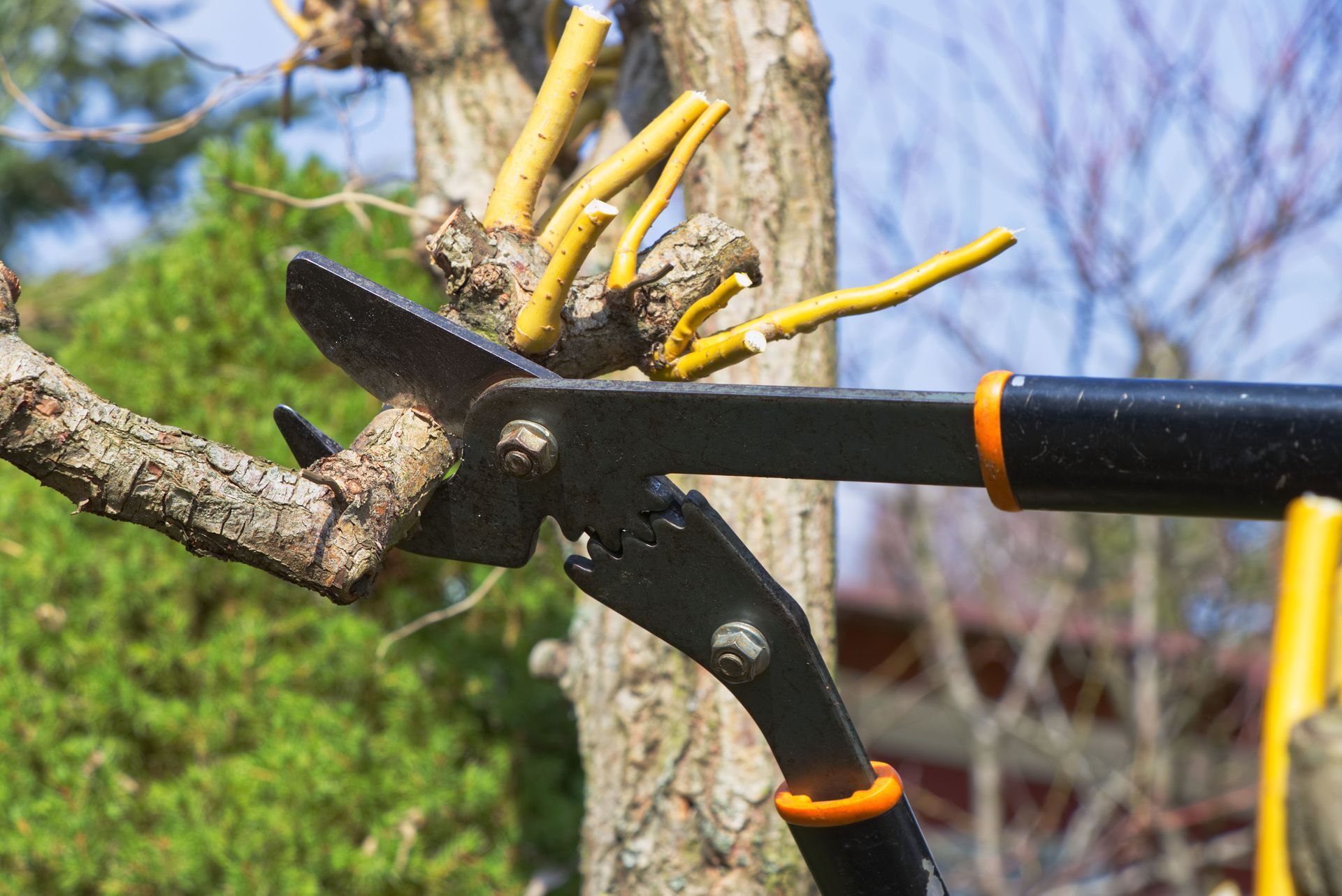
Tree trimming helps maintain a tree's structure by removing selected branches that interfere with healthy growth or create potential hazards. Overgrown limbs can extend toward roofs, block walkways, or interfere with nearby utility lines. Regular trimming helps manage these concerns while allowing trees to maintain a balanced appearance. Removing dead, damaged, or crossing branches can also reduce unnecessary stress on the tree. Professional trimming requires an understanding of how different species grow and respond to pruning. Cutting branches incorrectly or removing too much foliage can weaken a tree and leave it vulnerable to disease. Experienced professionals can determine which branches need attention and how to make appropriate cuts. Including tree trimming in a property maintenance plan can help homeowners manage growth and preserve the appearance of their outdoor spaces.
2. Tree Removal for Hazard Prevention
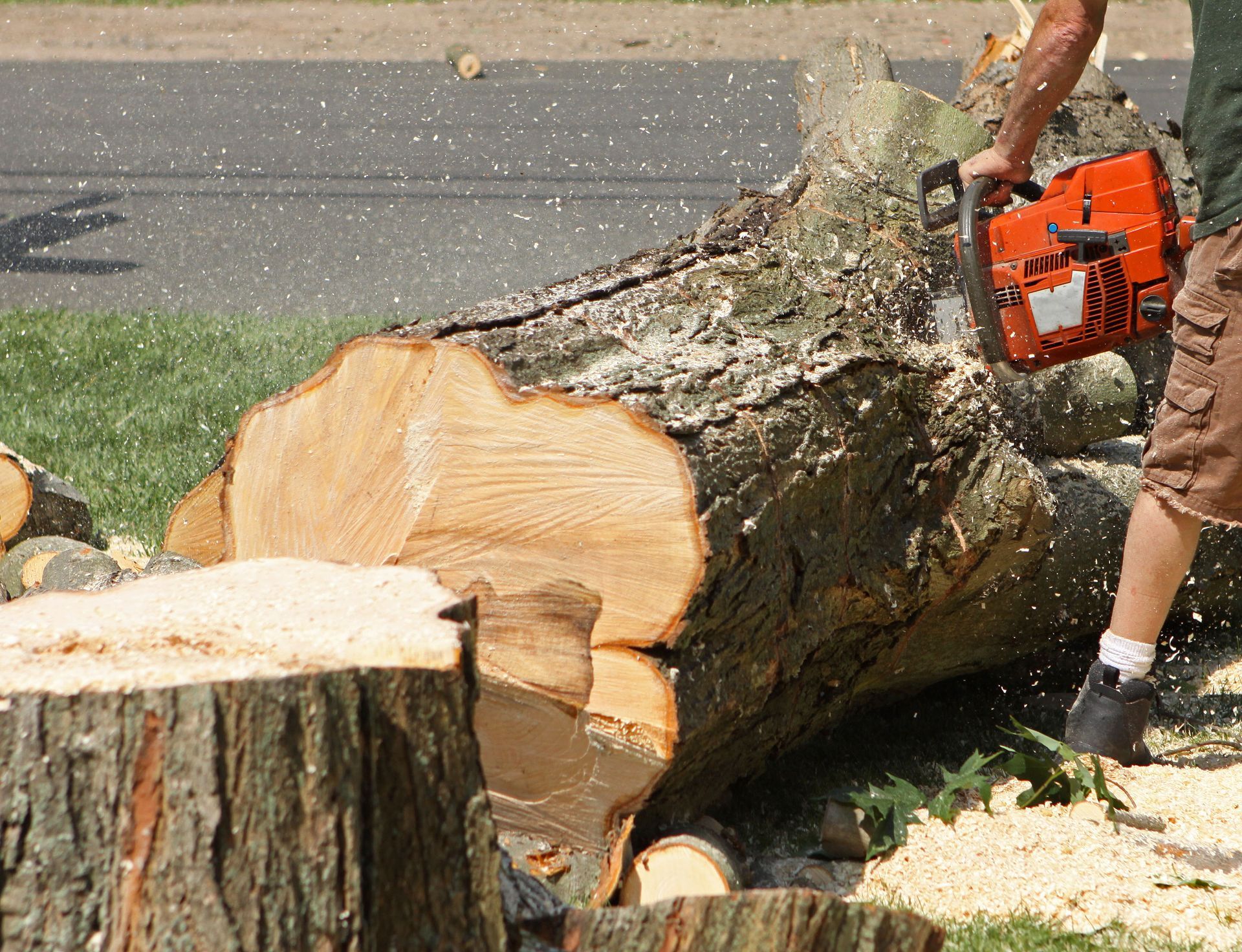
Tree removal may become necessary when a tree is dead, severely damaged, diseased beyond recovery, or positioned where it poses a safety concern. Large trees with compromised trunks or unstable root systems can threaten nearby buildings, vehicles, and outdoor gathering areas. Removing a hazardous tree can reduce these risks before the situation becomes more difficult to manage. However, determining whether removal is necessary requires careful consideration of the tree's condition and surrounding environment. Professionals evaluate factors such as trunk stability, branch structure, visible decay, and proximity to structures. They also consider the direction in which sections of the tree can be lowered safely during removal. Because large trees can be heavy and unpredictable, attempting removal without appropriate training and equipment can result in serious injuries or property damage. Professional assessment helps property owners understand their options and determine the appropriate next steps for managing a dangerous or declining tree.
3. Stump Grinding for Cleaner Outdoor Spaces
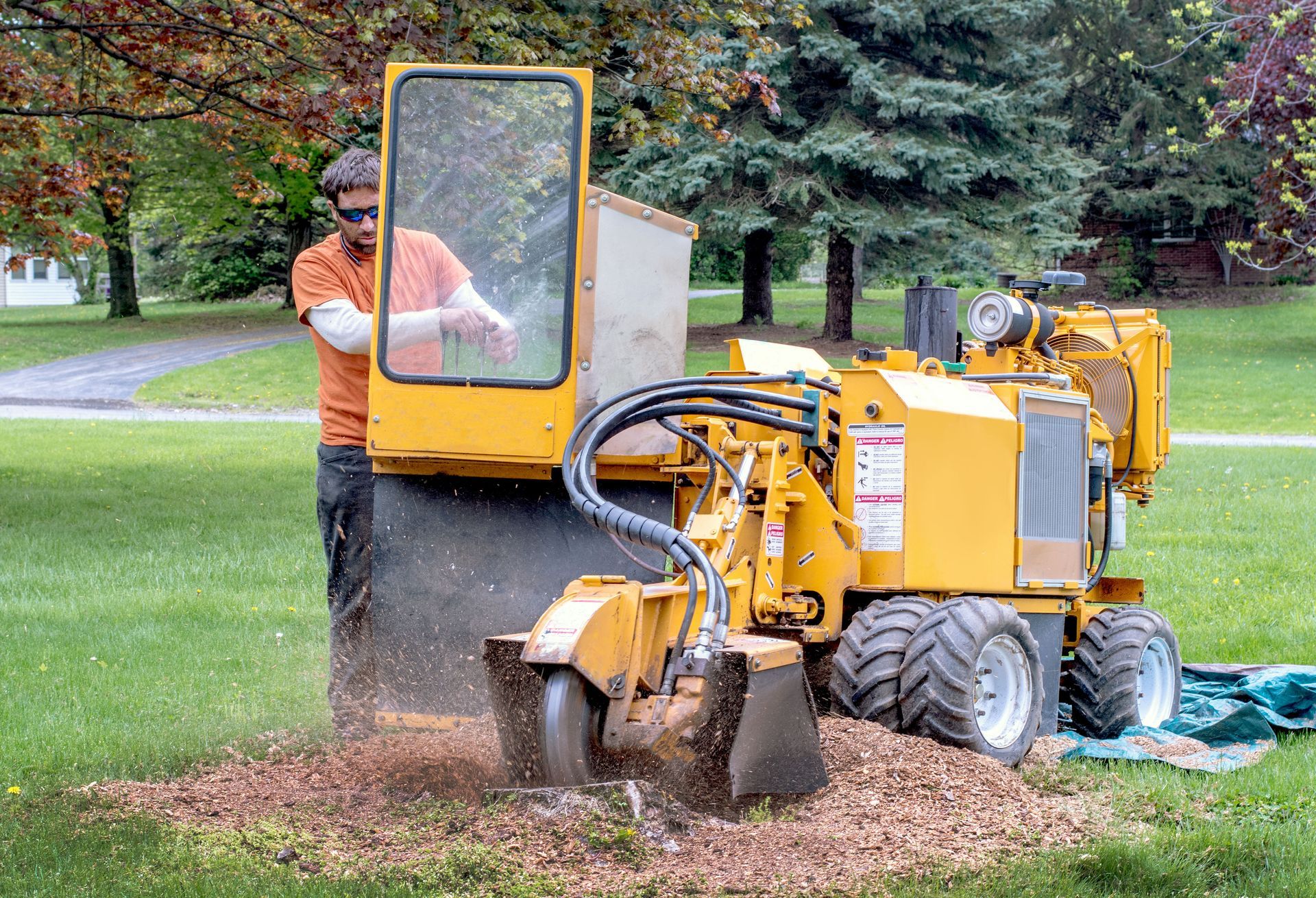
After a tree has been removed, the remaining stump can interfere with landscaping and limit how the surrounding area is used. Stumps may obstruct mowing, create tripping hazards, and make it difficult to establish new plants or grass. They can also attract unwanted insects as the wood begins to decay. Stump grinding addresses these problems by mechanically reducing the stump to wood chips below the surrounding ground level. This process allows property owners to reclaim space without excavating the entire root system. The resulting area can then be prepared for grass, garden beds, or other landscaping improvements, depending on the condition of the soil and remaining roots. Professional operators use specialized equipment to grind stumps while taking surrounding structures and landscape features into account. Adding stump grinding to a tree removal project can help create a more usable, organized, and visually consistent outdoor environment.
4. Storm Damage Services for Property Protection
Severe weather can leave trees with broken limbs, split trunks, leaning structures, and fallen branches scattered throughout a property. These conditions can create immediate hazards, especially when damaged trees are close to homes, driveways, fences, or pedestrian areas. Professional storm damage services help property owners address these problems and assess the condition of affected trees. According to the Arbor Day Foundation, communities with established tree care programs can experience up to a 25% reduction in storm-related debris through preventive maintenance and tree removal. This highlights the importance of identifying potential hazards before severe weather arrives. After a storm, professionals can evaluate damaged trees, remove dangerous limbs, and determine whether severely compromised trees require removal. Property owners should avoid approaching hanging branches or trees entangled with power lines because these situations can be dangerous. Prompt professional attention helps manage storm-related hazards and supports the process of restoring outdoor spaces to a safe, usable condition.
5. Preventive Tree Maintenance for Long-Term Health
Preventive maintenance helps property owners identify developing tree problems before they become more serious. Routine inspections can reveal dead branches, unusual leaning, trunk damage, fungal growth, and other visible warning signs that warrant further evaluation. Addressing these concerns early may reduce the likelihood of unexpected failures and expensive emergency work. Preventive care also gives professionals an opportunity to recommend trimming or removal when a tree's condition creates a potential hazard. For properties with multiple mature trees, scheduled assessments can make maintenance needs easier to track throughout the year. Tree care professionals can also identify branches growing too close to buildings, walkways, or other landscape features. These observations help property owners prioritize work based on safety, tree condition, and available resources. Incorporating regular inspections and appropriate maintenance into an outdoor care plan can support a healthier landscape while helping reduce avoidable risks.
6. Seasonal Tree Care for Changing Conditions
Trees respond to seasonal changes in temperature, rainfall, sunlight, and growing conditions. These changes can influence when trimming should take place, how quickly trees develop new growth, and which environmental stresses require attention. Seasonal maintenance helps property owners adjust their approach to the needs of their landscape. For example, removing dead branches before periods of severe weather can help reduce the amount of loose material that may fall during strong winds. Some trees benefit from pruning during dormant periods, while others require different timing based on their species and condition. Professional guidance helps ensure that maintenance activities are appropriate for the specific trees on a property. Seasonal evaluations can also reveal changes in branch structure or signs of damage that were not previously apparent. By planning tree care around local weather patterns and individual tree needs, property owners can maintain a more orderly landscape and address potential concerns before they become urgent.
7. Professional Tree Care for Residential and Commercial Properties
Residential and commercial properties have different landscaping requirements, but both benefit from trees that are maintained with safety and appearance in mind. Homeowners may need to manage branches near roofs, clear space for outdoor activities, or remove stumps from lawns. Commercial property managers may focus on keeping parking areas, sidewalks, entrances, and customer access routes clear. Professional tree services help address these needs while accounting for the size, location, and condition of individual trees. Trained crews can assess the work area, select suitable equipment, and determine how to complete tasks while limiting disruption to surrounding property features. This planning is particularly important when trees are located near buildings, vehicles, landscaping, or frequently used walkways. Coordinating tree care with other outdoor maintenance activities can also help property owners maintain a consistent appearance across the entire property. Choosing services that match the property's specific needs makes it easier to manage tree-related concerns throughout the year.
8. Reliable Tree Services for Ongoing Landscape Care
Choosing appropriate tree care begins with understanding the condition of existing trees and identifying the concerns that require attention. Some properties may need occasional trimming, while others require stump grinding, storm damage cleanup, or the removal of hazardous trees. A professional assessment can help determine which tasks should receive priority and which can be scheduled for later. Property owners should also consider how tree maintenance fits into broader landscaping goals, including lawn care, planting plans, and outdoor space improvements. Keeping track of previous work and monitoring changes in tree condition can help make future maintenance decisions more straightforward.
Whether a property has overgrown branches, a damaged tree, or an unwanted stump, choosing the appropriate service can help restore order and improve the usability of the surrounding space. Addressing these needs with professional assistance can also make ongoing landscape maintenance easier to manage. Property owners can explore the available options and determine which solutions fit their property's condition and maintenance goals. Contact Walsh's Landscaping & Lawn Care to discuss your tree care needs and schedule the tree services needed to maintain a healthy, attractive, and well-managed property.
Share On: